Under the landlord electrical safety rules in England, every privately rented home needs an EICR at least every five years. Landlords must give tenants a copy, fix any C1, C2 or FI faults within 28 days, and supply the report to the council on request. Penalties can reach £30,000.
At a glance
- Applies to: private rented homes in England
- Frequency: at least every five years
- Repairs: C1, C2 and FI within 28 days, or sooner if the report says
- Copy to tenant: within 28 days of the inspection
- Maximum penalty: £30,000 per breach
Do landlords legally need an EICR in England?
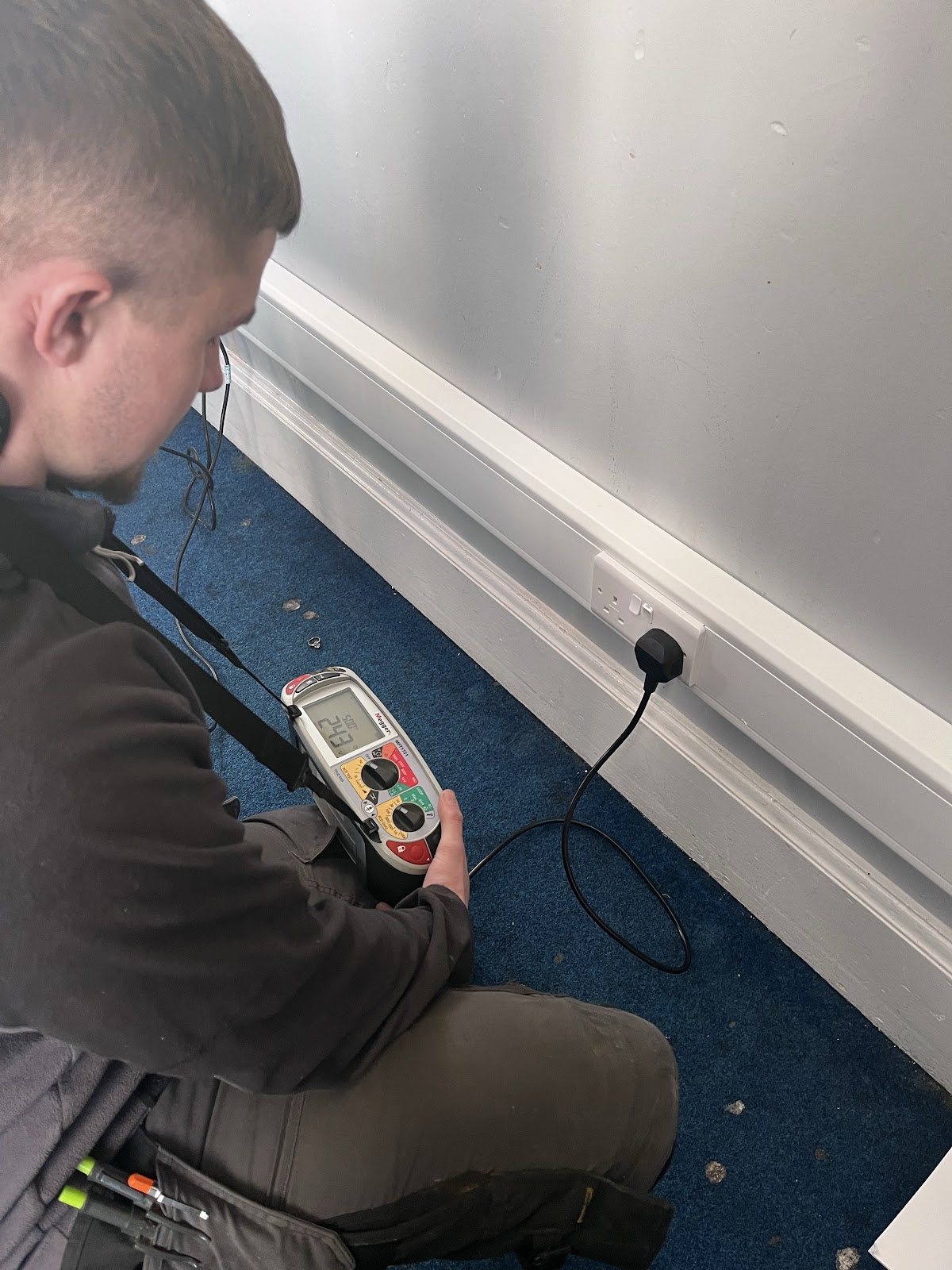
Yes. The Electrical Safety Standards in the Private Rented Sector (England) Regulations 2020 require the fixed wiring in a privately rented home to be inspected and tested by a qualified person at least every five years.
The rules applied to new tenancies from 1 July 2020 and to all existing tenancies from 1 April 2021. They cover houses, flats and HMOs let under assured shorthold and most other private tenancies.
These landlord electrical safety rules apply in England only. Wales, Scotland and Northern Ireland have their own regimes, so check the rules where the property is.
What must a landlord do, and by when?
- Arrange an inspection by a qualified and competent person, before a new tenancy starts and at least every five years after that.
- Give the tenant a copy of the report within 28 days of the inspection, or to a new tenant before they move in.
- Give a copy to the council within seven days if they ask for it.
- Complete any required remedial work within 28 days, or sooner if the report specifies a shorter period.
- Confirm completion in writing to the tenant and to the council, with the evidence that the work is done.
- Keep the report and give it to the next inspector.
What are the penalties for ignoring the landlord electrical safety rules?
Local authorities can issue a civil penalty of up to £30,000 for a breach. They can also arrange for urgent remedial work to be done themselves, and recover the cost from the landlord.
A missing or unsatisfactory report can also make it harder to serve notice or to defend a complaint about the condition of the property. It is far cheaper to keep certificates in date than to deal with a notice.
How do you stay on top of a five-year cycle?
The practical problem with the landlord electrical safety rules is not the rule itself, it is remembering. If you have more than one property, the dates drift apart and one inevitably lapses.
- Put the next-due date for every property in one place.
- Book the inspection two or three months before expiry, which leaves time for remedial work.
- Ask your electrician to put the portfolio on a rolling cycle so the dates are aligned.
We quote portfolios across Stafford, Cannock, Rugeley and the surrounding areas together. See EICR reports in Stafford for what an inspection covers, and our EICR codes guide for how to read the result.