A consumer unit replacement is worth doing if your fuse box has rewirable fuses, no RCD protection, a cracked or scorched case, or trips the whole house. A modern unit adds RCD protection to your circuits, is made from non-combustible material, and is notified to building control.
At a glance
- Replace if: rewirable fuses, no RCD, damage, nuisance tripping
- Modern unit: metal enclosure, RCD or RCBO protection
- Notifiable: yes, under Part P in England
- Typical time: around half a day to a day, with power off for part of it
- You receive: an electrical certificate and a compliance certificate
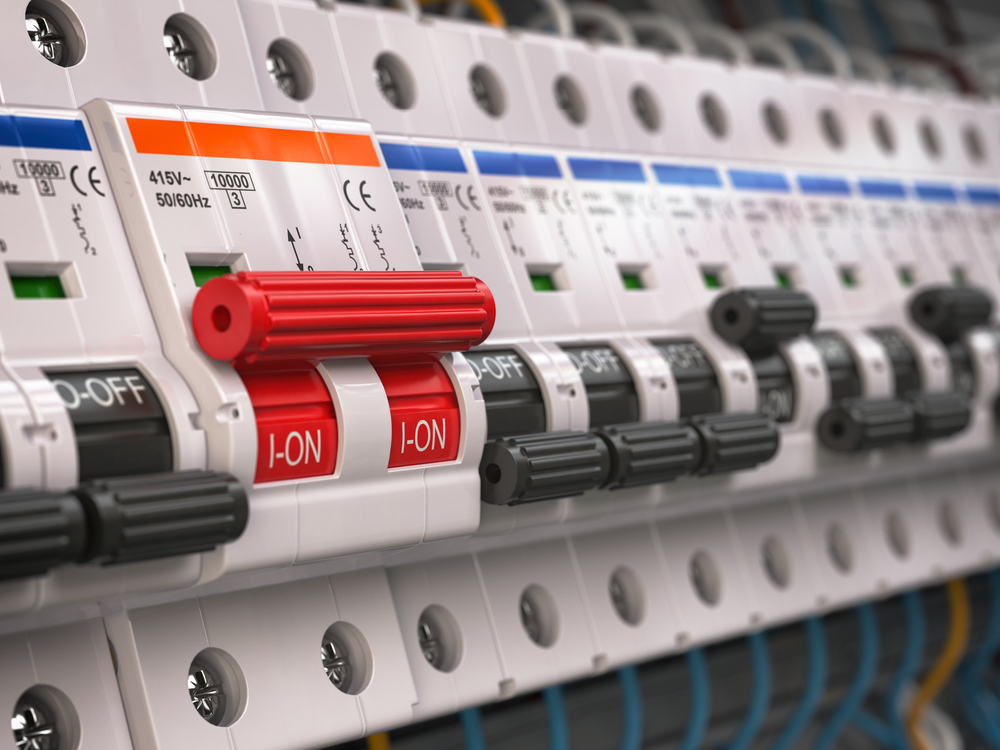
When do you need a consumer unit replacement?
A consumer unit (the modern name for a fuse box) is the safety centre of the installation. It protects each circuit from overload and, with an RCD, protects people from electric shock. These are the signs it may be time for a consumer unit replacement:
- rewirable fuses (the ceramic carriers with fuse wire), or an old wooden or Bakelite board
- no RCD protection, or just one RCD covering the whole house
- a cracked, melted or scorched case, or a board that feels warm
- one fault tripping everything, or nuisance tripping you cannot trace
- no spare ways for new circuits such as a shower, cooker or EV charger
- an EICR that lists the board as a C2 or C3 observation
What is the difference between an RCD and an RCBO?
Both protect against electric shock. The difference is how many circuits they cover and what else they do.
| Device | What it does | What happens when it trips |
|---|---|---|
| MCB | Protects one circuit from overload and short circuit. | That circuit switches off. |
| RCD | Detects current leaking to earth, for example through a person. Usually covers a group of circuits. | Every circuit it covers switches off. |
| RCBO | An MCB and an RCD combined, one per circuit. | Only the faulty circuit switches off. |
With individual RCBOs, a faulty kettle takes out the kitchen sockets and nothing else. That is why many modern boards are fitted with RCBOs rather than shared RCDs.
What does a modern consumer unit include?
- A metal (non-combustible) enclosure, required for domestic boards under current BS 7671.
- RCD protection on the circuits that need it, often by RCBO on every circuit.
- Surge protection where the wiring regulations call for it.
- Clear labelling so you can find the right breaker in the dark.
- Spare ways for future circuits.
The right specification depends on your property, so we choose it after inspecting the existing installation.
What happens on the day?
- Inspect the existing board, earthing and bonding before starting.
- Switch off and isolate the supply, which means the power is off for several hours.
- Fit the new unit and reconnect each circuit.
- Test every circuit and check the earthing and bonding.
- Label, explain and certify the work, then register it with building control.
Most domestic replacements take around half a day to a day. Plan to have the power off for part of that time, and let us know about anything that must stay on, such as medical equipment or a freezer.
Does a consumer unit replacement need notifying, and what affects the price?
Yes. A consumer unit replacement is notifiable under the Part P building regulations in England, and a registered electrician does that for you. Our Part P guide explains how.
We do not publish prices. The main factors are the number of circuits, whether the board needs relocating, the condition of the earthing and bonding, and whether remedial work is needed first. We give a free written quotation after seeing the board. See consumer unit upgrades in Stafford.